

I’ve written about systematic problems in the healthcare system and US culture recently, but today I want to talk about the fears that keep us from going to therapy and accessing the mental health care we know we need.
It’s tragic that the ones who need mental health care the most are often the ones too afraid to access and utilize that care. Sometimes they even take their own lives because they can’t live with the pain, shame, guilt, and self-hatred that fills their days, but they also can’t bring themselves to change their circumstances.
When it feels like there’s no way out, sometimes the only “out” (for people who may feel this way) is ceasing to exist at all. I know you’re exhausted, so let’s tackle some of these fears.

When you’ve just started going to therapy, you usually don’t have the faintest clue what to look for in a therapist or what to watch out for. It feels like a minefield or brambles you have to crawl through to get the care you need (not that we even know what we need at that point). If you’re a perfectionist, you might get overwhelmed by all the research you do.
Because we don’t know what to expect from therapy, we’re often terrified of meeting someone who will just check a box (e.g. “depressed,” “PTSD,” “anxiety,” etc.) and then provide narrow therapy from a pre-determined playbook. Will we be diagnosed with dissociative identity disorder (formerly multiple personality disorder)? Bipolarism? OCD?
Will therapy be a conversation or a top-down monologue by the therapist? Will they even ask questions or will they just effectively say, “Ok do this, bye”? It is reasonable to be afraid that a therapist will just tick a box and move on, but please don’t let this fear keep you from a first meeting. The first meeting is just a conversation.

This is entirely understandable, but I want to make one thing very clear: therapy does not mean medication by default. Please don’t keep yourself from therapy because you’re afraid of taking psychiatric medication.
Now, some people are very sensitive to even caffeine and might be extra concerned about taking any kind of medication (“drugs”). You might be afraid that you’ll just be a sedated zombie and not in control of your faculties. Maybe you’re generally concerned about what you put in your body (as we all should be) and how these medications might affect your mind.

Know this: No psychiatrist will ever start you on more than one medication at a time. IF you decide to start on a medication, you start on a low dose to see how you feel and, depending on your feedback and what you value and want, your psychiatrist may adjust the dosage or change/add a different medication. You are the expert on you. If you don’t feel respected or feel pressured to take something you don’t want to, stick to your “no.”
Moreover, you are not a lab rat. You are not a drug addict or “less than” for taking psychiatric medication. You are also not deserving of pain. You’re taking something to help you for now. Don’t freak yourself out about “I’m going to be on this forever.” Psychiatric medications are not meant as replacements for going to therapy, making life changes, or doing necessary inner work. As with anything, it is one tool in a toolbox and up to you whether to use it.
If you start a medication but you’re not getting along with your psychiatrist or just don’t get good vibes from them, your GP can continue to refill a prescription a psychiatrist has written. They can’t write new prescriptions – they can just renew – but this is good to know in case you feel you have to stay with your current psychiatrist because you don’t want to stop taking your medication. Or, you may be looking for a new psychiatrist and don’t want to have to stop taking your medication while you find a new one. I mention this as a temporary stopgap and not as a long-term solution.
Regardless, don’t just stop taking your medication.

You might not live in a big city, meaning you might only be able to access a clinic or practice in a smaller town or county. You might worry that one person knows another and “the word will get out” that you are in therapy or seeing a psychiatrist. Here’s where you need to get a bit attitude-y with yourself (and others if needed).
First of all, being under the care of a medical professional of any variety is not a vice or sin. You are doing what you want/need to do for your own well being. It might not be for everyone, but that doesn’t matter. Anything anyone else might have to say about it can go stuff themselves in a smelly sock.
Second of all, most people actually don’t care that you’re in therapy. In this day and age, it’s often only seen as a way of taking care of yourself so that you can show up for yourself and others in your daily life as best you can. That’s it. That’s all there is to it. And yes, I’ve received this positive reaction from smalltown old men who have never left a 30-mile radius in their lives or gone to the dentist since they were 10.
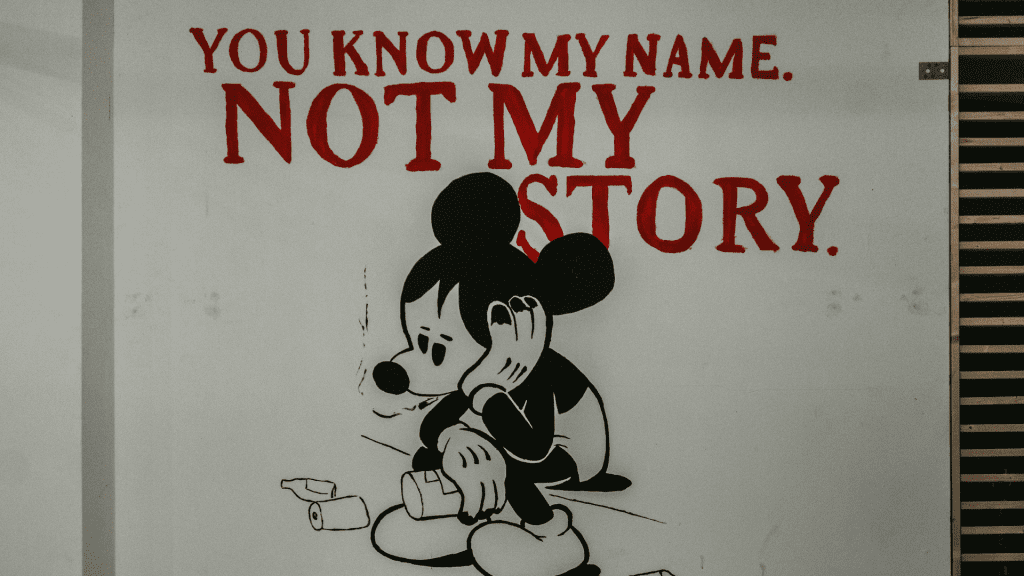
Going to therapy does mean that somewhere in a medical professional’s notes there will be a “This person came today and this is what we talked about.” But make no mistake – there is no “system.”
There is no overarching database that all insurance companies, government agencies, banks, lenders, credit bureaus, or future employers can access to see your medical history. Even if there were, it would be wildly illegal for anyone to access your medical records without your written consent. Even if they did, what would a diagnosis of, for example, depression mean? That you’re less likely to pay off a loan? A high-risk, low-reward employee? No, none of those things.
You are not branded “undesirable” and a diagnosis is not the death knell of your future. With respect, you are doomsday-ing in a way that keeps you from accessing the care you need.

The damage being a career that is all over the place, a very low credit score, decimated savings, high debt, not having your own home and therefore moving back in with family, bodily harm, damage to or loss of relationships, and/or burned bridges.
The answer is yes, yes you will. And you will learn to forgive yourself instead of punishing yourself.
Going to therapy will help you acknowledge the burden, shame and self-hatred you carry every minute of every day. Once you have someone you can share these with, you can start making lists to get running thoughts and anxiety to calm down.
What is your current status with your finances? Career? Self? Now what are your goals for each of those categories? I don’t mention lists to freak you out, but because lists often translate snowballing fears into concrete wants and needs.
My Unpacking Anxiety guide walks you through steps to alleviate your anxiety and may be helpful for you.
I understand the sheer terror that’s behind “I’ll never recover from this.” Wondering where to start or if you even have the energy anymore. Perhaps you’re terrified of what you’ll find once you do start facing yourself. Please, please know that seeking medical care of any variety bears no shame. You have nothing to fear so long as you communicate openly with your therapist/psychiatrist/GP and listen to what your body needs.
I write this partly in light of September being Suicide Prevention Awareness Month. I personally find it particularly difficult to be on social media in September. If you have suicidal thoughts, please reach out to your medical professional if you haven’t already done so. If you don’t have one, please call the 988 Suicide and Crisis Lifeline (just dial “988”). They offer free and confidential conversations with a counselor. Those facing emotional distress, alcohol or drug use concerns, or just needing someone to talk to can also call.
Please don’t let these fears keep you from going to therapy or otherwise seeking medical care. Take one step at a time. You’re not alone.
Navigate
Location
I’m based in Stockholm, Sweden.
Sign up for my weekly newsletter to get all the good stuff straight to your inbox (no spamming).
© 2025 Braving Shadows | Privacy Policy